

From September 9 to 13, 2024, a delegation of teachers and students from Aichi University, Japan, participated in an international summer school program hosted by the School of Foreign Languages at Southeast University. The program featured co-teaching by Dr. Han Xiao, Dean of the Japanese Department at Southeast University, and three professors from Aichi University—Yukio Sunayama, Ichiro Kawabe, and Noriko Ogawa. Participants included junior undergraduate students majoring in Japanese at Southeast University and students from Aichi University.
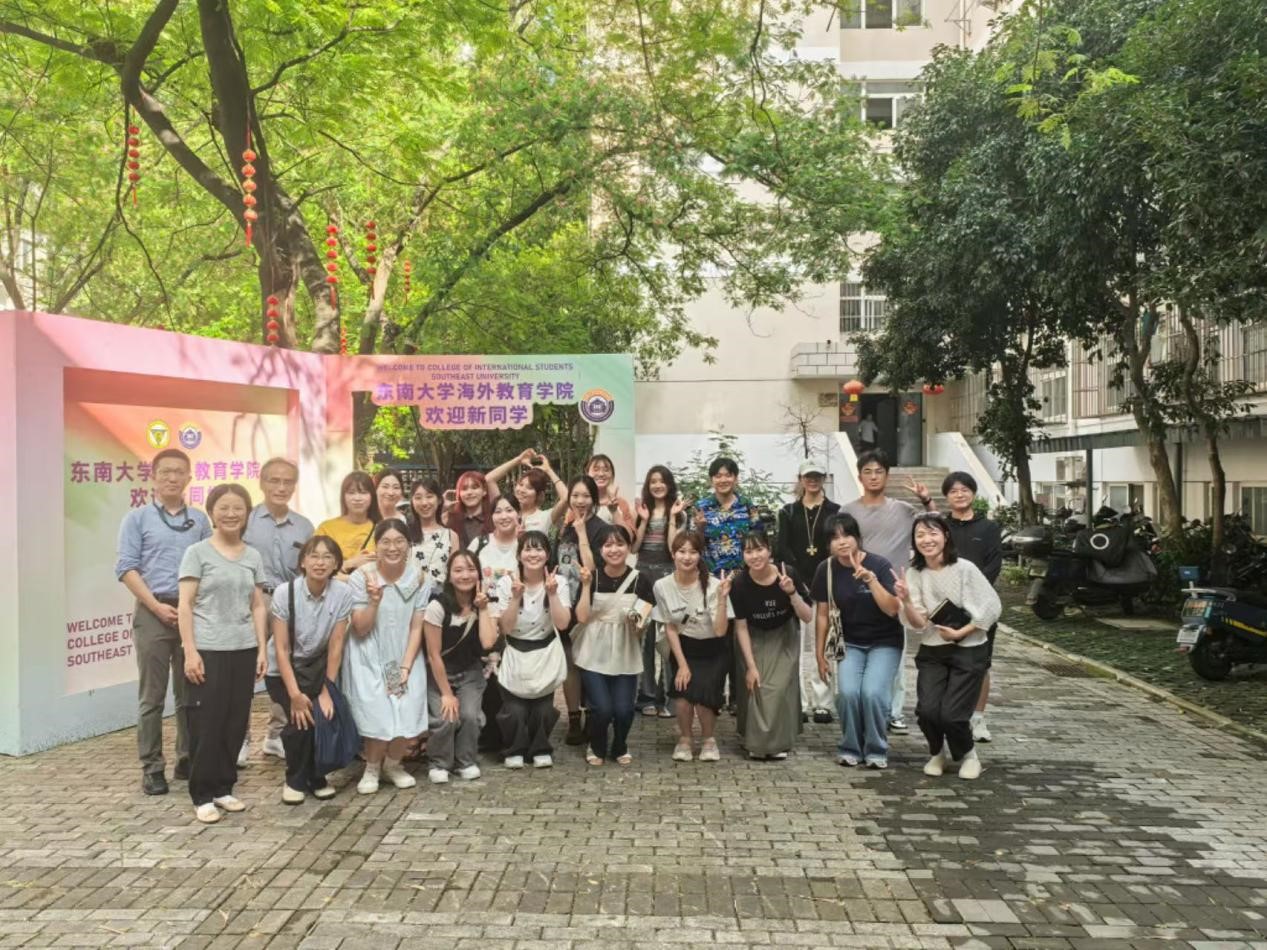
Founded in 1901, Aichi University originally began as Toyo Eiwa Gakuin and has evolved into a comprehensive university focusing on the humanities and social sciences. It is also recognized as one of Japan's leading institutions for Chinese language research and education. Southeast University and Aichi University have maintained a longstanding partnership, collaborating on a range of international exchange activities, including student mobility and joint academic programs.
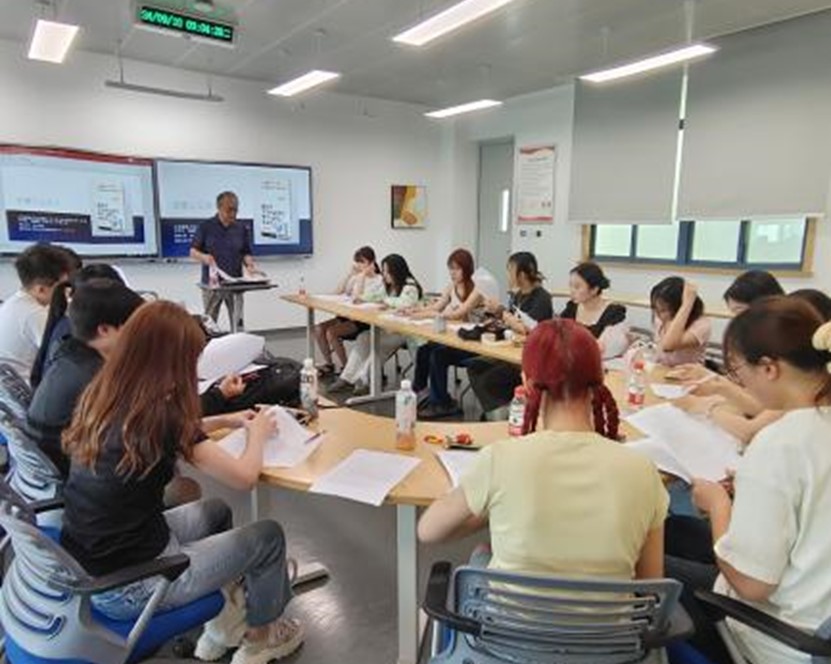
The summer school curriculum was designed around two key components. The first consisted of theoretical instruction, during which Chinese and Japanese faculty delivered lectures on topics such as “Japanese People and Reading,” “Sociocultural Meanings in Chinese and Japanese Public Slogans,” and “Social Change in Japan from the Perspective of Women's Employment.” These sessions sparked lively in-class discussions, allowing students to explore cultural characteristics and differences between the two societies while gaining meaningful insights and deepening mutual understanding.
The second component focused on cultural exchange and experiential learning. Students from the School of Foreign Languages guided their Japanese peers on a tour of Southeast University's campus and several iconic cultural sites across Nanjing. These activities provided participants with an opportunity to experience the vibrant academic atmosphere of Southeast University and engage more deeply with Nanjing's rich historical and cultural heritage.
Through this joint program, students from both countries not only expanded their knowledge of Chinese and Japanese societies, broadened their academic perspectives, and honed their critical thinking skills, but also formed lasting international friendships. By engaging in cross-cultural dialogue and collaborative activities, participants developed a more nuanced appreciation of cultural diversity, further strengthening their cultural awareness, intercultural communication skills, and global competence.
Text: Han Yongsheng
Photos: Han Yongsheng
Translated: Li Yixiao, Zhang Tingting
Proofreading: Guo Qing